So far we have climbed two floors. The data layer gave us the facts: who, what, when, and how. The insights layer told us what they mean: the claims, the patterns, the moments worth remembering. Two floors of real value, and still, not a single dollar has come in.
Because data does not meet customers, and an insight does not post itself to LinkedIn. That is what the third floor exists for: the moment knowledge becomes things. Clips, posts, articles, kits. The moment the stock starts paying a dividend.
It is also the floor where we stop talking theory and start counting.
A dividend: profit without selling the asset
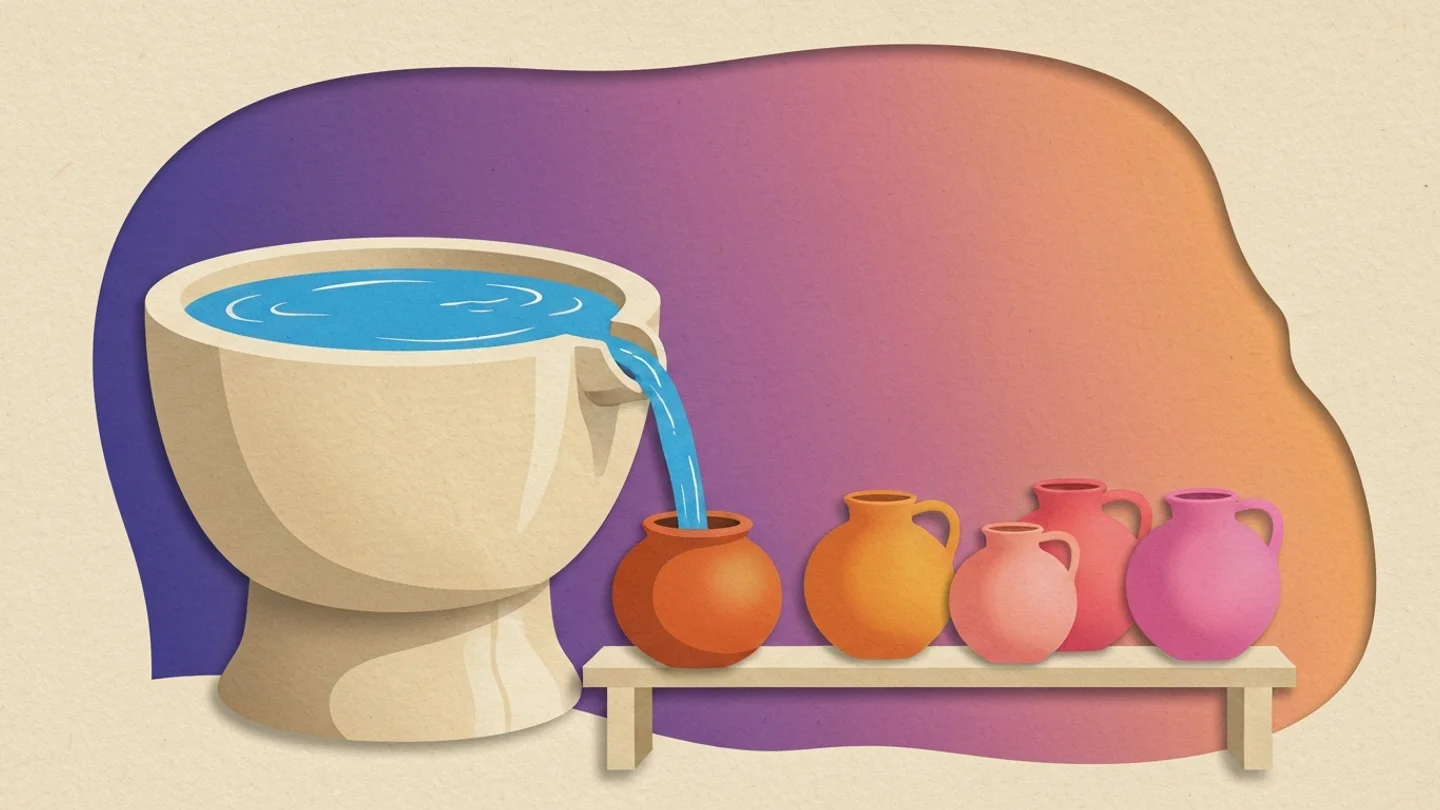
Let's recall the principle from the stock chapter, because here it turns from metaphor into practice: a dividend is a payment the asset makes to its owner without the ownership being touched. The stock stays in the portfolio, and the money comes in.
Every derivative asset from video works exactly this way. Cut a clip? The original video is intact. Produced an article? The panel is still there, ready for the next extraction. No derivative asset depletes the source. Which is why the interesting economic question is not "what can be produced from the video" but how many times it can pay.
The answer, it turns out, is far higher than most organizations imagine. So let's do the exercise.
The counting exercise: one hour of a panel
Take one hour of a panel from your last conference. Four speakers, a moderator, an audience. Now let's count what is hiding in it, department by department:
- Marketing and mediaStart with the obvious: 8 to 12 short clips for social, a quotable moment per speaker, moments of disagreement, a strong question from the audience. From those, posts are derived, and if you produce a separate version per platform, multiply. Above the clips: a summary article, a newsletter chapter (you are reading one right now), an audio version for a podcast, and the full panel as an entry in the VOD library that remains a marketing asset for years.
- Speakers and partnersA personal speaker kit for each of the five: their clips, their quotes, ready to share. And do not underestimate this asset: a speaker who shares their own clip is a distribution channel reaching audiences you have no access to, and also the speaker who will say yes to your next event. If there are sponsors, add a sponsor kit: the moments where their brand was present.
- SalesThe moment the customer on stage described their results is the strongest sales material there is: external, public, on camera. A clip for prospects, quotes for the deck, and recorded answers to common objections ("they asked exactly that at the panel, here is what the customer answered").
- PR and long-formQuotes for the press, foundations for position papers, figures and statements made from a stage, with a documented source.
- Inside the organizationAn executive summary for leadership (the insights layer in document form), segments for onboarding new employees, and a record of what the organization has said publicly, an asset that legal and brand teams learn to appreciate.
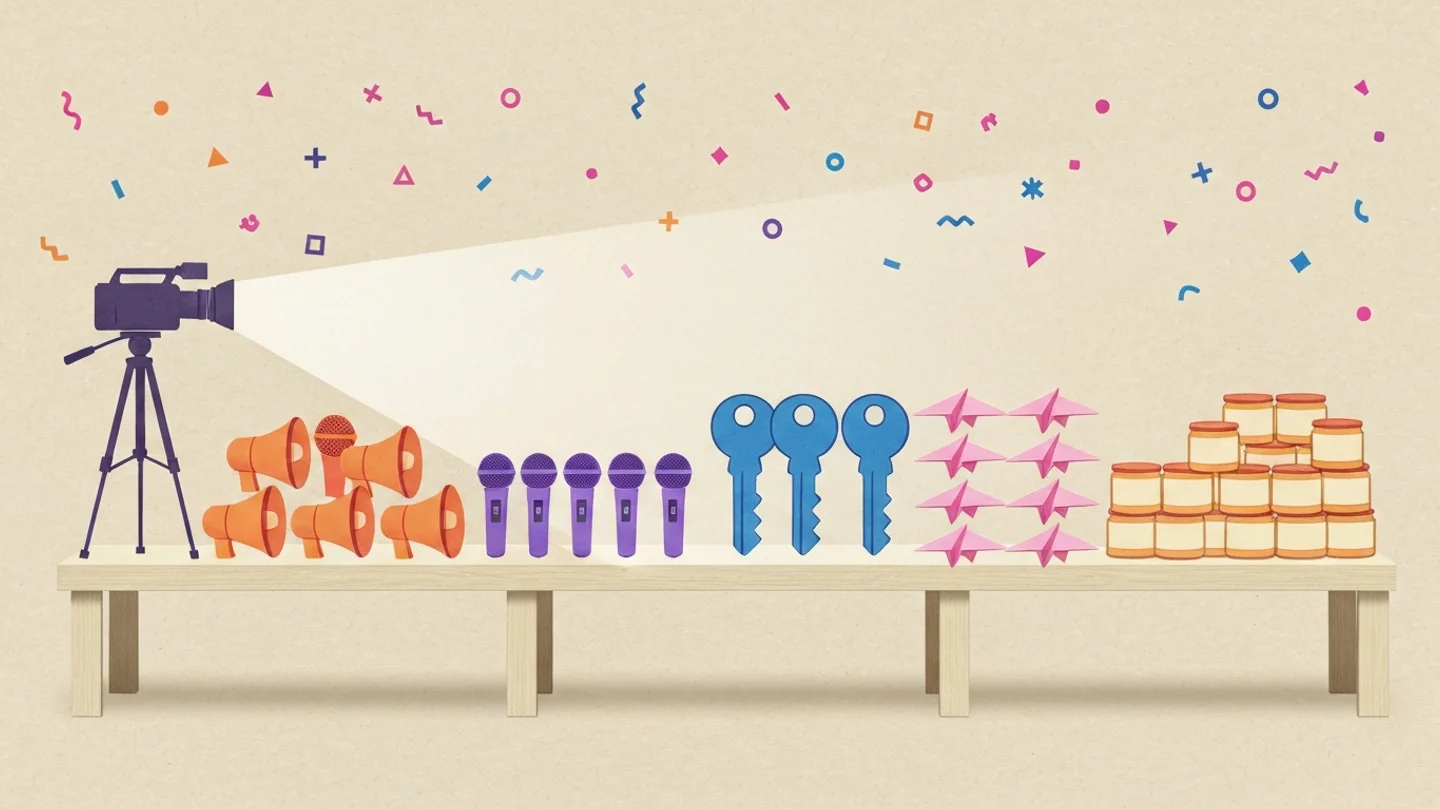
Counted? A conservative tally lands somewhere around 30 to 40 derivative assets. From one hour. And most organizations produce from that hour, if anything, three or four clips in the week after the conference, and move on.
That is an order-of-magnitude gap. Not between "good" and "excellent." Between a paying asset and a dormant one.
Why three or four is a habit, not a limit
You might expect an industry average to tell us how much of that potential gets captured. There is not an honest one, and that absence is itself the finding: in Wyzowl's 2026 survey, only 32% of video marketers tie video back to bottom-line sales at all. Any published figure for the return on repurposing is describing a market that has barely started measuring itself.
What we do have is the count we just did: 30 to 40 assets sitting inside one hour, against the three or four that actually get made. And today's three or four reflect organizations repurposing by hand: an editor gets a task, cuts three clips, captures a few percent of the potential. What happens when you produce not 10% of the potential but most of it? There is no average for that yet, because the world where it is possible has only just been born.

And what makes it possible is exactly the two floors below. This is the moment to say it plainly:
When every clip requires an editor to watch an hour of footage to find one moment, the economics stop you after the fourth clip. When the hour is already broken down, every sentence attributed, every quotable moment flagged, every objection mapped, the cost of a derivative asset collapses, and the exercise we counted goes from fantasy to work plan.
In financial language: the data and insights layers do not "help" asset production. They change the cost structure of the dividend. And when the cost of the dividend collapses, the payout policy changes.
One trap worth knowing: a dividend is not spam
And one warning, because I have watched organizations fall into it: the ability to produce 40 assets is not an obligation to publish 40 assets. A portfolio that pays dividends at the expense of quality loses its investors' trust, and an audience that receives dozens of mediocre clips stops clicking on the good ones too.
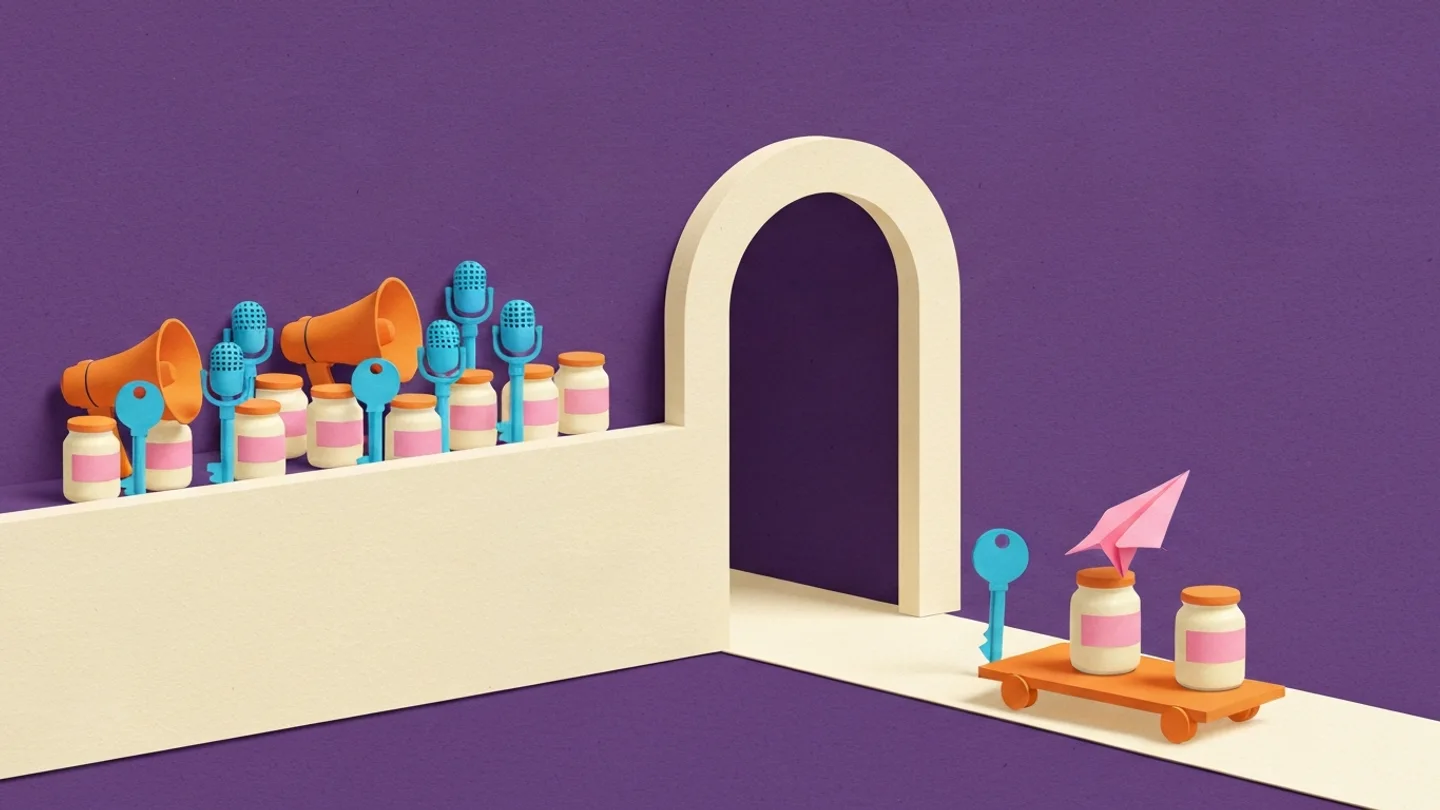
Here the hierarchy of the layers returns: the insights layer is what should decide what deserves distribution. The strong patterns, the genuinely quotable moments, those go out. The rest stays in the library, available to whoever needs it, not pushed at whoever did not ask. The difference between a content machine and a noise machine is not production volume. It is the quality of the filter.
The bottom line
The assets layer is where the thesis meets the cash flow. One hour of video holds dozens of dividends waiting to be collected, and the only thing standing between them and the organization, the cost of search, is exactly what the lower floors eliminate.
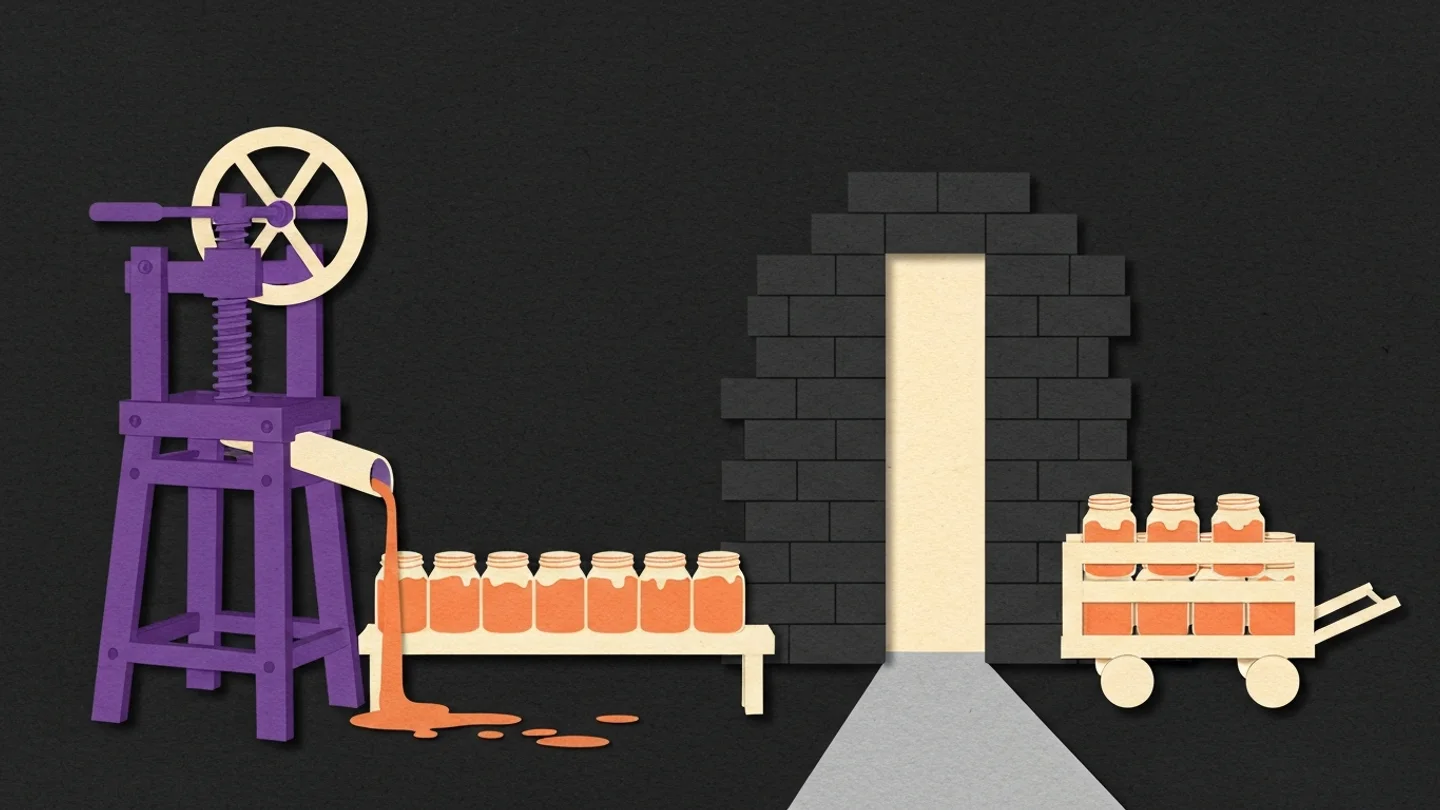
But notice something: everything we counted today is a standalone asset, each derived from a single video. The next question is more interesting. What happens when the entire library starts working together? When this year's panel talks to last year's keynote, and one question can be asked across ten events?
That is where the money stops being a dividend and starts being compound interest.
Next chapter: the knowledge layer. Why a broken-down library is worth more than the sum of its parts, and what it means to talk to your archive.

Founder and CEO of Speechbox, a platform that turns enterprise video into an active knowledge asset.
Sources
- Wyzowl, State of Video Marketing 2026. 32% of video marketers quantify ROI through bottom-line sales. Survey of 266 respondents, conducted late 2025.
Questions this raises
Counted department by department, across marketing and media, speakers and sponsors, sales, press and internal use, a conservative tally lands around 30 to 40. Most organizations produce three or four in the week after the event and move on.
Not laziness. The cost of search. When every clip requires an editor to watch an hour of footage to find one moment, the economics stop you after the fourth. When the hour is already broken down and every quotable moment is flagged, the cost of a derivative asset collapses and the count becomes a work plan.
There is no honest industry average, and that absence is itself the finding. In Wyzowl’s 2026 survey only 32% of video marketers tie video back to bottom-line sales at all. Any published figure for the return on repurposing is describing a market that has barely started measuring itself.
No, and the distinction matters. An audience that receives dozens of mediocre clips stops clicking on the good ones too. The insights layer is what should decide what deserves distribution. The difference between a content machine and a noise machine is the quality of the filter, not the production volume.