
In the previous chapter I argued that video is not the final product but the raw material: an asset you can price and appraise, like a stock, a patent, or intellectual property. Today I want to take that argument one step further, because the stock comparison is not just a nice metaphor. It is startlingly precise. And once you understand it all the way down, it changes how an organization manages content.
Because what defines a stock is not simply that it has value. It is that the value moves. It rises and falls, not at random, but in response to actions. And that is exactly, precisely, what happens to every minute of video your organization produces.
A portfolio nobody manages
Imagine an investor who buys tens of thousands of dollars in stock, locks the certificates in a safe, and never looks at them again. No tracking, no rebalancing, no dividends collected. A year later you ask about the returns, and you get a shrug.
It sounds absurd, but it is an accurate description of most enterprise video libraries I encounter. The conference was filmed with five cameras, the webinar was recorded, the panel was documented, and then everything went into a cloud folder.
And here is the critical difference from an ordinary stock: a stock in a safe at least keeps its chance of going up. Video in an archive does not. It is an asset with built-in depreciation.
What drives your stock down
Relevance decay. A brilliant talk on the trends of 2025 is worth a lot the day after the conference, less after six months, and almost nothing after two years, if you did nothing with it along the way. Time erodes the asset the way inflation erodes cash.
Illiquidity. An asset you cannot find is an asset you cannot trade. If locating the moment the CEO discussed AI requires watching three hours of footage, that moment, for all practical purposes, does not exist. In finance this is called an illiquid asset, and the market always prices it at a discount.
Loss of context. Who are the speakers? What was claimed? What was the sequence of events? Without that metadata, the file is just pixels. A stock with no financial statements.
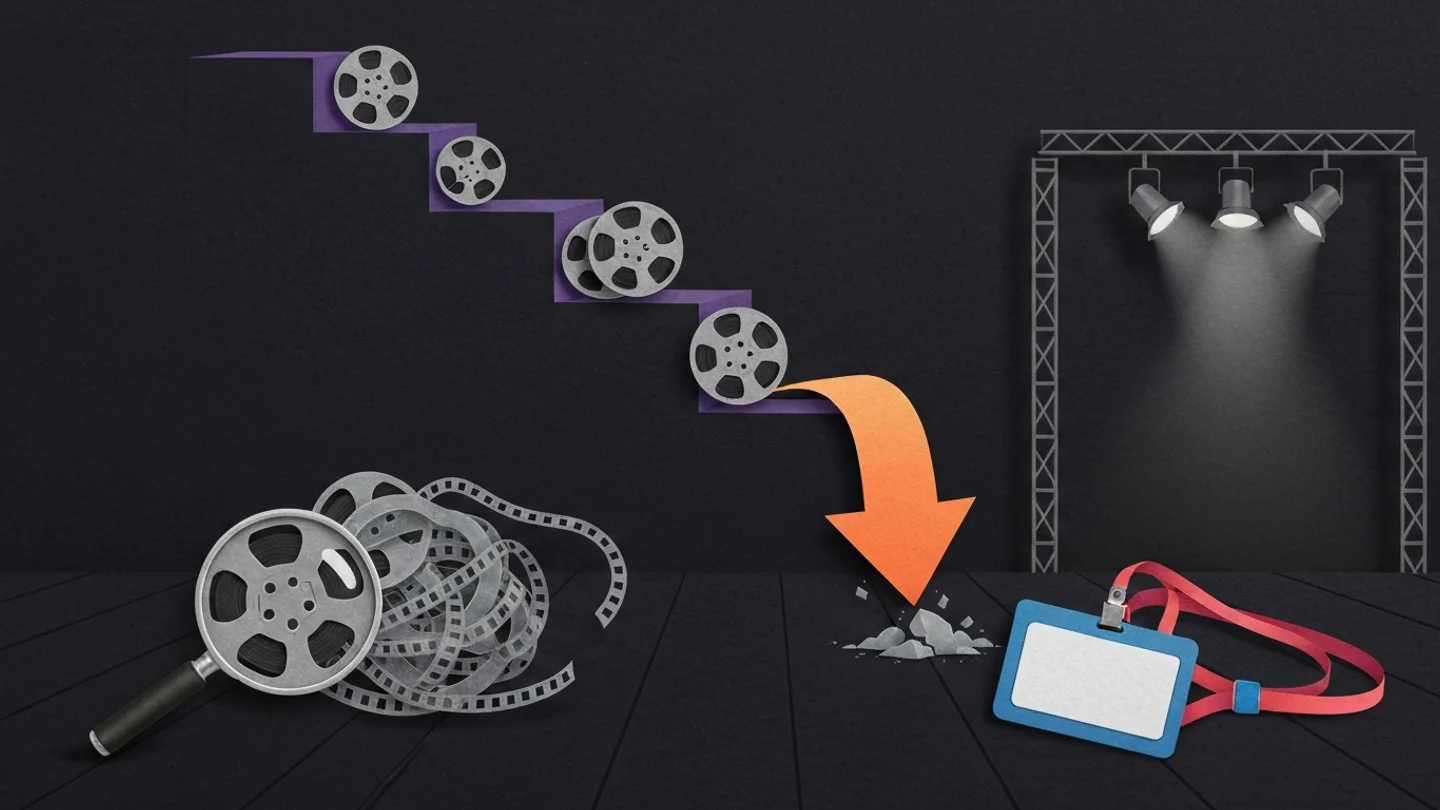
Which brings us back to the troubling figure from the previous chapter: roughly 90% of enterprise information is unstructured, and only about 10% of it is even stored. In capital market terms, most organizations are deleting most of their portfolio before ever checking what is in it.
And what drives it up? Four moves of a smart investor

- 1. The IPO: making the asset tradableThe first move is liquidity. Transcription, indexing, speaker and topic identification. This is the moment video turns from an opaque file into an asset you can search, quote from, and pull any moment out of in seconds. A stock that never trades is worth something on paper. A liquid stock is worth something in practice.
- 2. Dividends: collecting profit without selling the assetEvery derivative asset, a clip, a post, an article, a newsletter, a speaker kit, is a dividend. The original video remains fully yours, and yet it pays. Again and again. Show me a bond that does that.
- 3. Compound interest: the assets amplify each otherThis is where the real magic happens. When every new video joins a broken-down, understood repository, it does not only add its own value. It raises the value of everything already there. Suddenly you can ask, "Which message repeated across all the panels this year?" or "How did our position on AI shift between conferences?" Three processed conferences are worth more than three times one. That is the definition of compound interest, and it only works on managed assets.
- 4. Rebalancing: knowing when the old asset is about to riseA dormant topic returns to the headlines, and the panel you recorded on it a year ago jumps in value overnight. A good investor spots the moment and responds the same day. An organization without a liquid library finds out two weeks late, after the wave has passed. Timing is everything. In capital markets, and in content.
So what is a minute of video worth? An analyst's questions
If video is a stock, it deserves a stock's valuation. Here are the appraisal questions I suggest asking about every asset in the library:

- Who is in it?A senior speaker, a happy customer, a recognized industry name. This is the asset's human capital, and its effect on value is direct.
- What is said in it?Insight density. One hour of video with twenty quotable moments is worth more than two hours of small talk.
- How far can it travel?Distribution potential: how many derivative assets, across how many channels, for how many audiences.
- How long does it hold?Evergreen content is a blue-chip stock: stable, paying out for years. News-driven content is a volatile stock: worth a great deal, for a short window. A healthy portfolio needs both, but you need to know which one you are holding.
Answer those four questions and you discover something surprising: you finally have a measurable value for a thing that until now was filed under "marketing spend."
The bottom line: the market does not reward holders. It rewards actors.
The market around us has already voted. AI-powered video analytics is projected to nearly triple by 2031. The demand exists, the technology exists, and the economic machinery, dividends, compounding, liquidity, is proven.
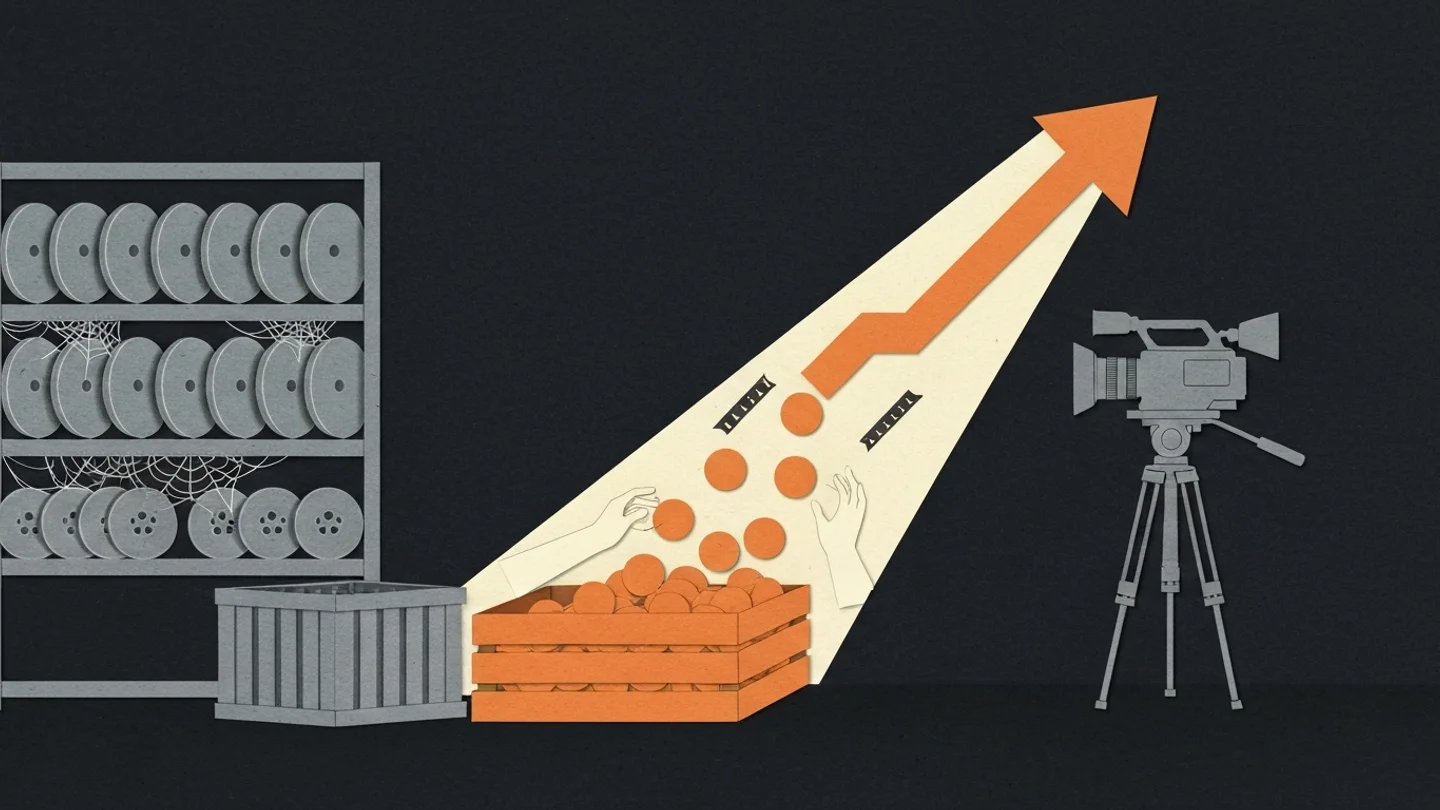
What remains is a shift in identity: stop being archivists and start being portfolio managers. Because every time a camera turns on in your organization, you are issuing a new stock. From day one it starts to move, up or down. The direction does not depend on the market.
It depends on you.
That is exactly our job at Speechbox: to be the trading floor for the enterprise video portfolio. The place where the asset becomes liquid, the dividends get collected, and the interest compounds.

Founder and CEO of Speechbox, a platform that turns enterprise video into an active knowledge asset.
Sources
- Research World, Possibilities and limitations of unstructured data. 80 to 90% unstructured, only about 10% stored.
- Box and IDC, Untapped Value white paper. The investment gap in unstructured data.
- Mordor Intelligence, AI Video Analytics Market. USD 6.19 billion in 2026 to USD 17.23 billion in 2031, a compound annual growth rate of 22.72%.
Questions this raises
What defines a stock is not that it has value but that the value moves, and moves in response to actions rather than at random. That is exactly what happens to every minute of video an organization produces. Unlike a stock in a safe, video in an archive also carries built-in depreciation.
Three forces. Relevance decay, because a talk on the trends of 2025 is worth far less two years on if nothing was done with it. Illiquidity, because an asset you cannot find is an asset you cannot trade, and the market always prices that at a discount. And loss of context, because without knowing who spoke and what was claimed, the file is only pixels.
Four moves. The IPO, meaning transcription, indexing and speaker identification, which is what makes the asset tradable. Dividends, meaning derivative assets that pay without depleting the source. Compound interest, where each new recording raises the value of everything already in the library. And rebalancing, bringing an old asset forward the day its topic returns to the news.
Four questions. Who is in it, which is the asset’s human capital. What is said in it, which is insight density. How far it can travel, meaning how many derivative assets across how many channels. And how long it holds, which separates an evergreen blue chip from a volatile news-driven pick.